With Optics WATCH NOW
飞艇官网168全国统一开奖直播、幸运飞开艇开奖结果查询-最新幸运168飞艇官方查询号码历史
Streaming TV. Smartphones. NASA’s James Webb Telescope. All of these innovations are driven by Optics. Working in nearly every modern field, Optics Technicians craft precise components (primarily lenses fashioned out of blocks of glass) that we use today and help us build a smarter, safer tomorrow. Joining this highly in-demand, hands-on industry means making a fulfilling career while making a real impact.
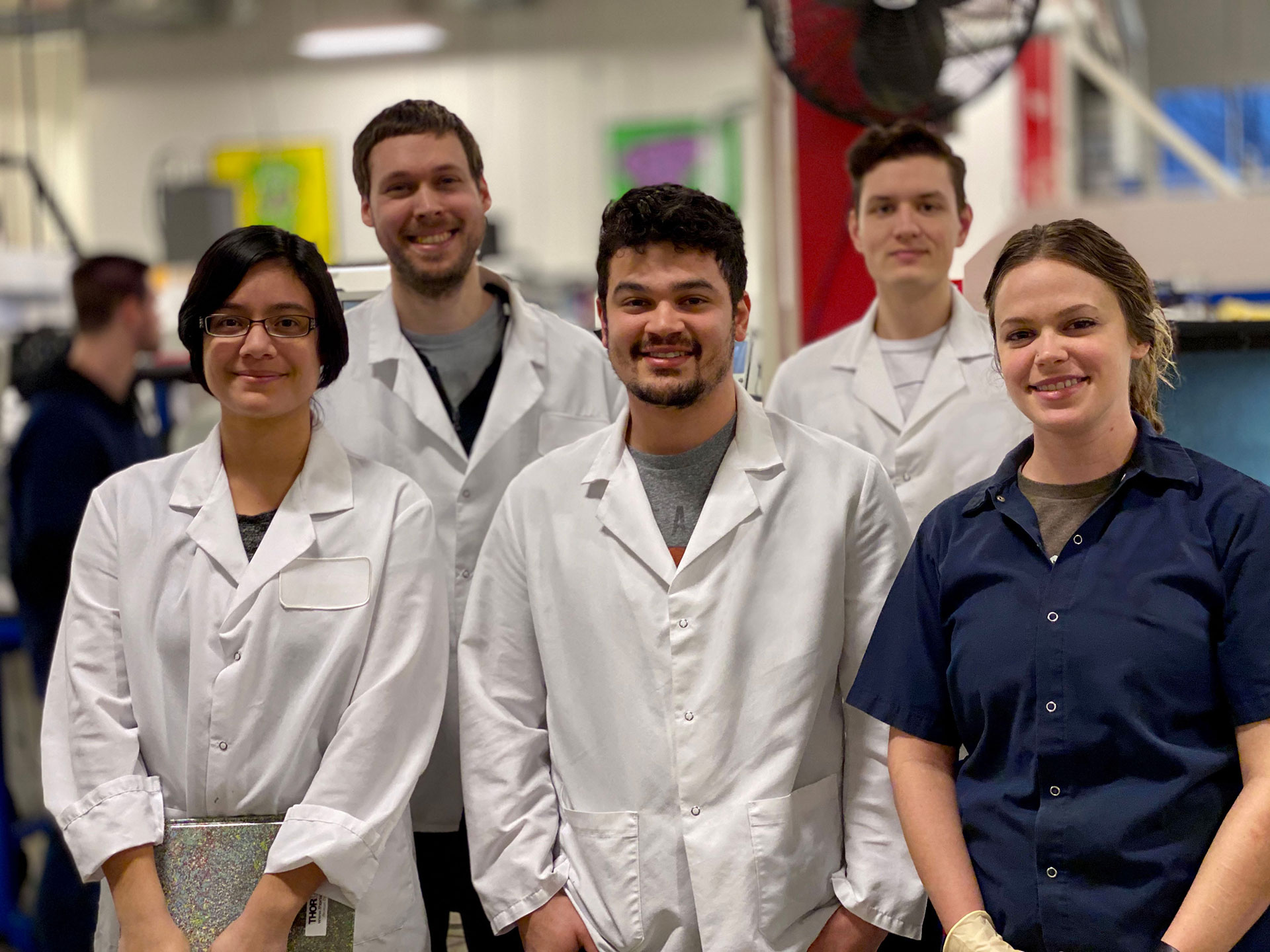
Everyone’s career path to becoming an Optics Technician is different, and that’s what makes this field so unique. It’s a workforce that looks a lot like the world we live in—a melting pot full of people with different backgrounds, vocations, and levels of expertise, all working in a booming industry they’re passionate about.
Get Into Optics
The more you discover about Optics, the more you start to see the mindblowing impact this technology has on our lives. It’s not magic, but it feels like it. From the highest-powered telescopes to the Internet itself to self-flushing toilets, Optics play a bigger role in our lives than most people realize. Ready to dive into how Optics impacts your life?
As Optics Grows, So Will You
Optics is more than just a job. It’s a career you can grow into and build up over time. Technicians have the opportunity to work with scientists and engineers in research, development, design, manufacturing, and quality control as they build the Optical components that power the devices we all use every day. It’s a career that checks all the boxes but never boxes you in.
Purposeful career
Competitive pay
In-demand industry
Room for growth
最新168飞艇官网现场开奖直播+官方全天精准计划、在线幸运飞行艇开奖结果官网查询 Optics Technicians
Anyone with strong hand-eye coordination, attention to detail, and a good work ethic is fit for a career in Optics. The field is an integral part of our everyday lives, and we don’t even notice it. From medicine to defense, becoming an Optics Technician provides a satisfying and ever-growing career path.
Optics Technicians fabricate, assemble, and install optical components into devices such as eyeglasses. But it’s so much more than that! We’re talking telescopes, microscopes, aerial cameras, and grocery scanners. With this skill set, you’ll be in demand for a secure, competitive-paying job!
Jewelry making
Playing music
Fine art
Woodworking
Gardening
Ceramics
Gaming
Carpentry
Building Legos
Athletics
Gaming
Cooking
Building electronics
Visual Arts
Fishing
The Only Prerequisite is Passion
There’s no “one path” to an Optics career, and as a trained technician, there are so many applications for your work, from aeronautics to medicine to entertainment. In Optics, outside experience and passions are welcomed with open arms; it takes multifaceted people to do this multidimensional work.
Learn More

Jimmie S.
Optics Technician & Teaching Assistant

Felicity B.
Optics Technician

Jaiden M.
Optics Technician

Sarah H.
Optics Inspector
Optics are having a moment. Rapid growth, accelerated hiring: it’s a field buzzing with opportunity. Whether you’re looking to transition to a new, secure career or for a fulfilling job that feels like your favorite hobby, there’s never been a better time to jump into an Optics Technician Program. Explore Optics training programs below at the community college nearest you.
全场飞艇2025官网开奖历史记录、在线飞艇168开奖官网结果直播+最新飞艇全天精准计划 AmeriCOM: Bringing Optics into Focus
The next generation of Optics techs are jumping into this skyrocketing industry, and the American Center for Optics Manufacturing (AmeriCOM) is helping make it happen. Bringing together colleges, manufacturers, nonprofits, and government agencies, AmeriCOM is building the workforce to ensure this industry continues to thrive for generations to come.
Find Out How